The Decision Lab
Incentives, loss aversion, framing, and decision-making: the ideas that connect psychology to how we actually spend, save, and choose.

Why You Choose the Way You Choose
You're not a spreadsheet. Meet the hidden forces (framing, loss aversion, anchoring) that shape your money decisions.

Loss Aversion: 7 Ways It Changes Your Everyday Decisions
Losses loom about twice as large as equivalent gains. Here are seven ordinary places that asymmetry quietly shapes what you do.
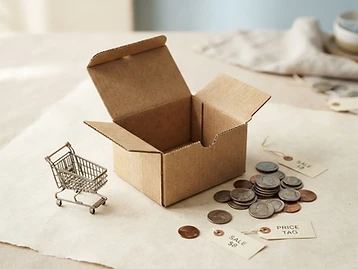
Why Free Shipping Makes You Spend More
You came for one thing and left with three, because crossing a free-shipping threshold feels like saving. Here is how that trick works on your brain.
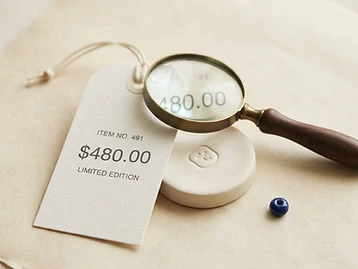
Why $9.99 Still Works, Even When You Know the Trick
You know $9.99 is basically $10. Your brain still reads it as nine-something. Here is why left-digit bias beats your better judgment.


Why "Only 2 Left" Suddenly Makes You Want It
The number might be real. The urge it creates is definitely real. Here is how scarcity and urgency hijack the buying decision.


Why Everyone Picks the Middle Option
Small, medium, large. Most people pick medium, and it is not an accident. Here is the compromise effect and how the decoy does the work.


Why Free Trials Are So Hard to Cancel
Thirty days free, then a charge you barely notice. Here is how defaults, inertia, and a little friction turn a trial into a subscription.


Why Do Restaurants Put Expensive Items on the Menu That Almost Nobody Orders?
That $80 steak nobody orders may still be doing work. Anchoring and reference points change how the rest of the menu feels, though not every pricey item is a decoy.